

Thai Smiles Japanese Styles

As Japan transitions from spring into summer, the weather tends to fluctuate frequently during June. This can leave people feeling a bit sluggish. To combat this, Japanese people often consume nutritious, vitamin-rich foods to maintain their health and energy during this season.
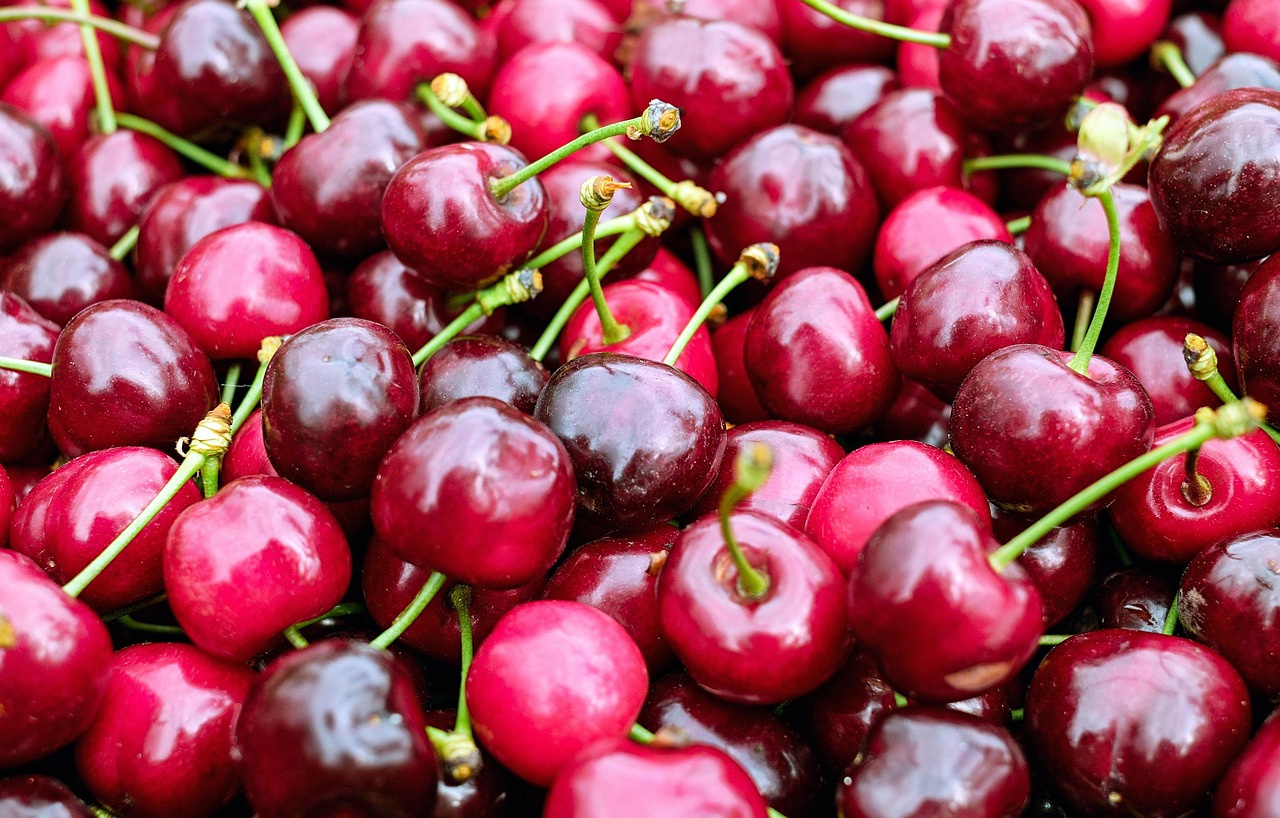
Following cherry blossom season comes cherry season. Japanese cherries are known for their sweetness, large size, and superior taste compared to Thai cherries. Because fresh cherries are sensitive to temperature, they should be consumed immediately or within two days of harvest. If you have ordered them via chilled express delivery, it’s best to store them in a refrigerator at a similar temperature. Visiting Japan in June offers a great opportunity to try fresh cherries at their best.
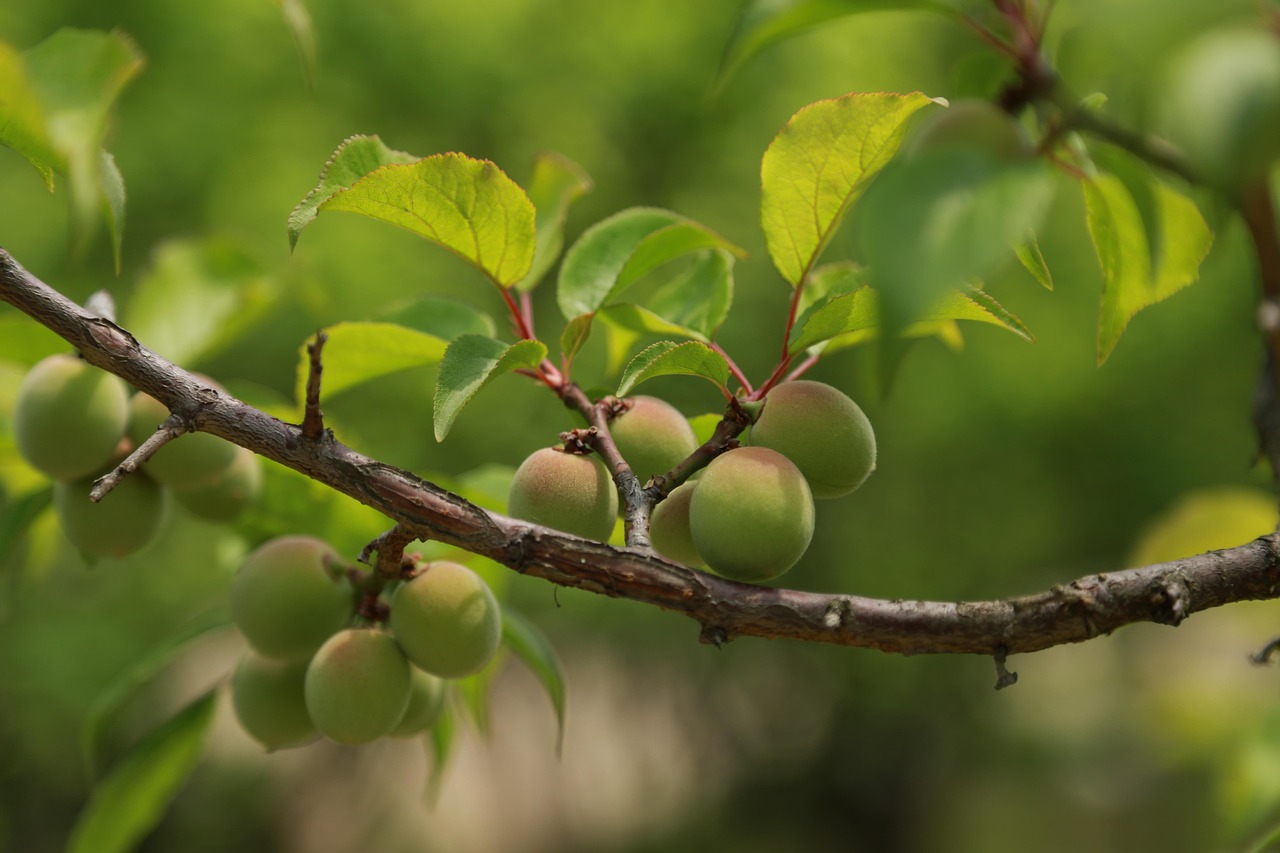
Ume has a short season. Green ume starts to ripen in May through early June and turns yellow around mid-June. If you're planning to make ume syrup or umeshu (plum wine), choose plums at the desired ripeness and freeze them first. Freezing breaks down cell walls, enhancing both the shelf life and the flavor of the final product.
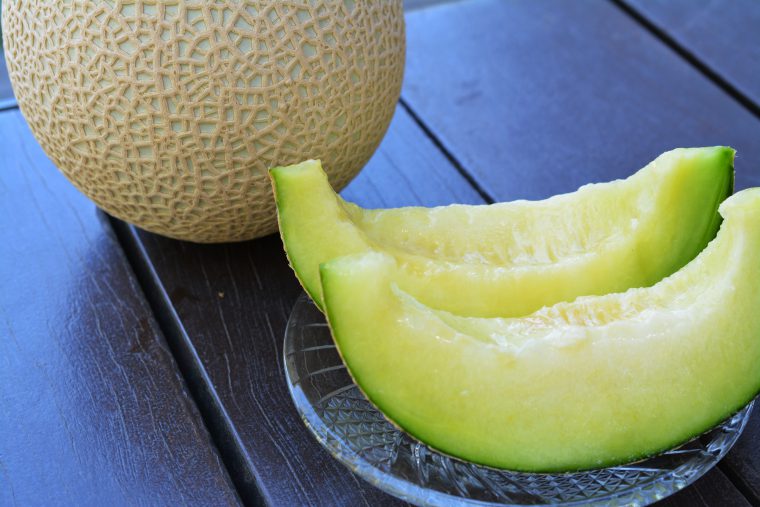
Although melons are now grown in greenhouses and available year-round, the peak season for the most delicious melons is from May to July. During this time, the melons receive abundant sunlight, resulting in a sweet and refreshing taste that perfectly complements the hot and humid weather. Whether eaten fresh, as juice, or paired with ice cream, melon is a delightful way to beat the heat and humidity.
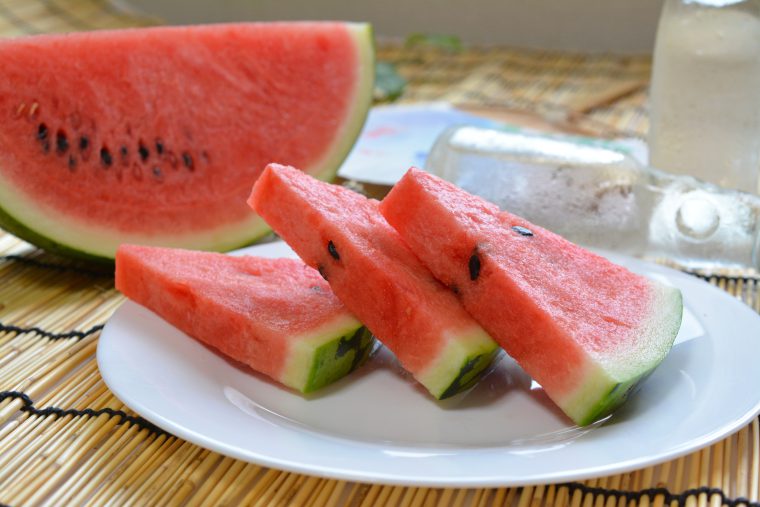
Another summer favorite in Japan during June is watermelon. Unlike in Thailand, watermelons in Japan are a summer-exclusive treat and are known for their quality, visual appeal, and exceptional sweetness.
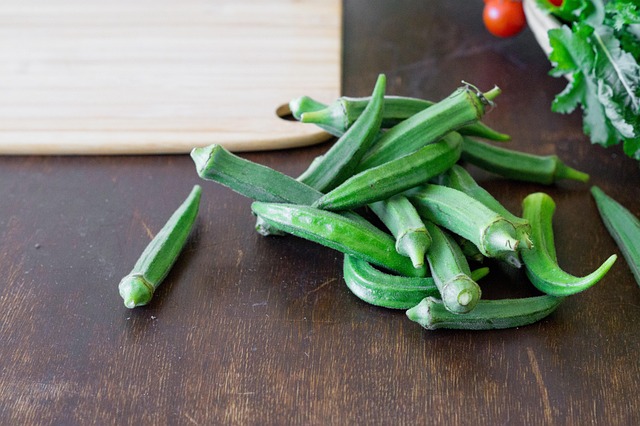
Summer is the season for enjoying fresh, green okra in Japan. This vegetable has a unique texture and contains soluble fiber, which helps lower cholesterol. Okra can be stir-fried, blanched, and served with bonito flakes and soy sauce—a delicious and healthy dish to enjoy in summer.
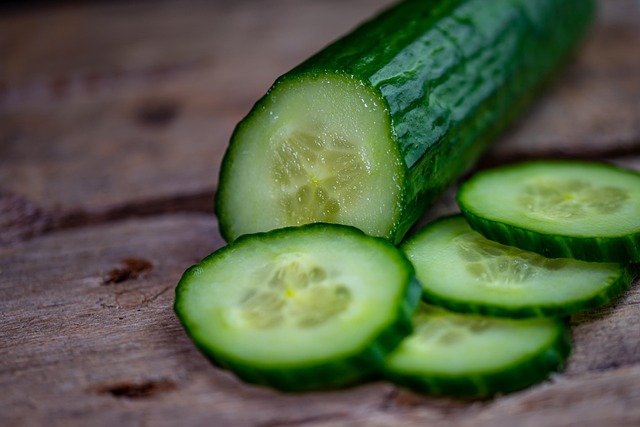
Summer is also the season for Japanese cucumbers, which are long, crisp, and satisfying to eat. Low in calories, they are perfect for side dishes such as salads, sliced thinly with somen noodles, or pickled in various styles.

Ayu is a beloved freshwater fish in Japan, known for its sweet, delicate flavor. It is typically caught between June and August. In June, younger, smaller ayu are often eaten whole. The fish is commonly prepared simply—grilled with salt—to preserve its natural flavor. For households without a grill, cooking ayu with seasoned rice is also a great option. Just cook the fish with the rice and seasonings, then mix before serving.
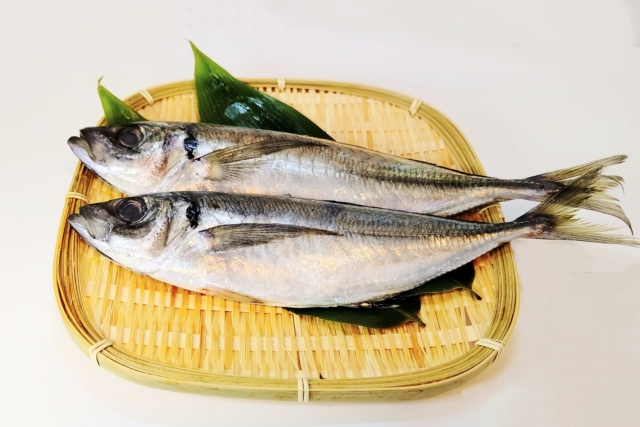
Aji has a rich flavor and, although available year-round, is particularly tasty in June when it has higher fat content and sweetness. This fish is full of umami and is delicious prepared as sashimi, salted and grilled, or deep-fried.
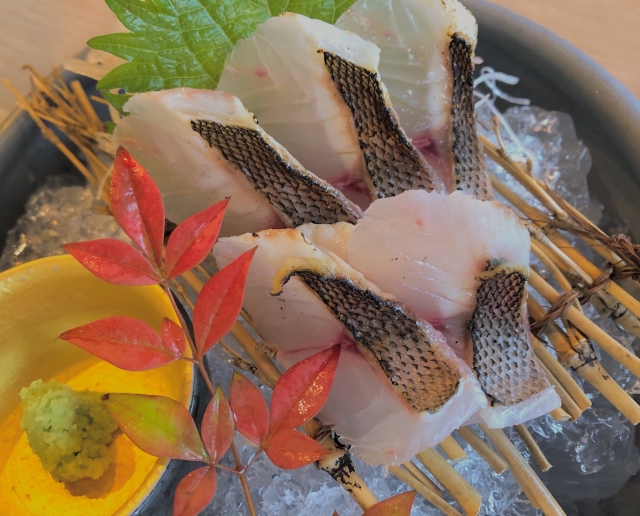
Not found in Thailand, Isaki is a white fish with pinkish flesh and a natural sweetness. The skin is especially tasty when seared to bring out its aroma and crispiness. Isaki is considered a premium seasonal fish available only at this time of year.
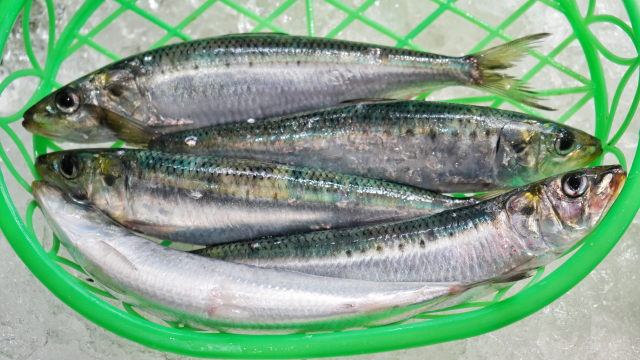
Iwashi, or sardines, are commonly known in Thailand from canned products in tomato sauce. However, fresh Iwashi is a firm, flavorful fish, particularly delicious in May and June when it contains high levels of oil. Rich in DHA and EPA, the fish pairs well with tangy flavors. Iwashi is commonly enjoyed with plum sauce or lightly pickled in vinegar.
542 views