

Thai Smiles Japanese Styles

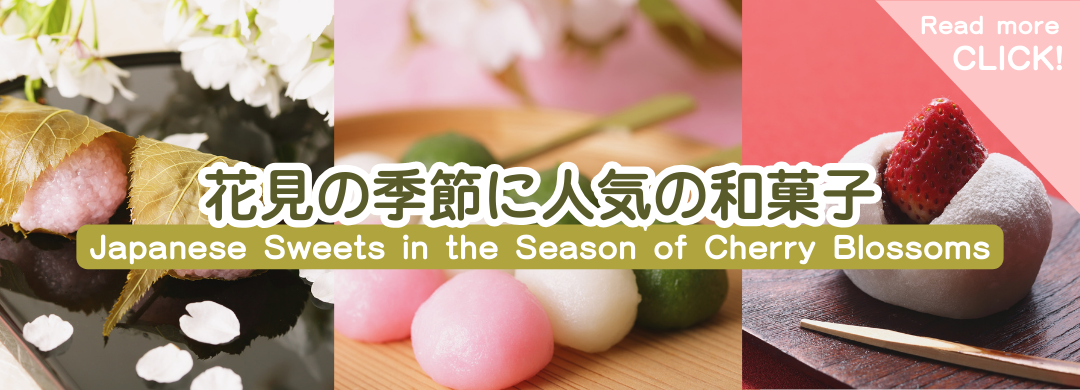
When the cherry blossom season arrives, we often see Japanese sweets in shades of pink, green, and white. Colors that symbolize the blooming sakura of spring.
There are also seasonal products sold only during this time, such as drinks made for hanami gatherings and salted cherry blossoms that gently evoke the light atmosphere of spring throughout Japan.
This is the perfect time to savor the delicious, chewy texture of wagashi, fragrant with red bean paste and soft, tender mochi.
Sakura Mochi is a pink mochi filled with red bean paste and wrapped in a salted cherry leaf. Its unique fragrance and subtle salty taste balance beautifully with the sweetness. There are two main types in Japan: the Kanto style and the Kansai style.
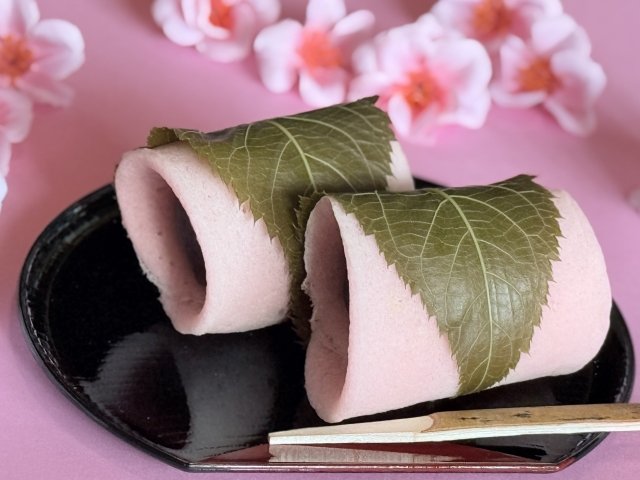
This version has a smooth, crepe-like outer layer made of pink mochi dough, wrapped in a green salted cherry leaf. Inside is silky smooth koshian (strained red bean paste). Elegant in appearance and refined in texture, it requires little chewing, making it perfect to enjoy with tea.
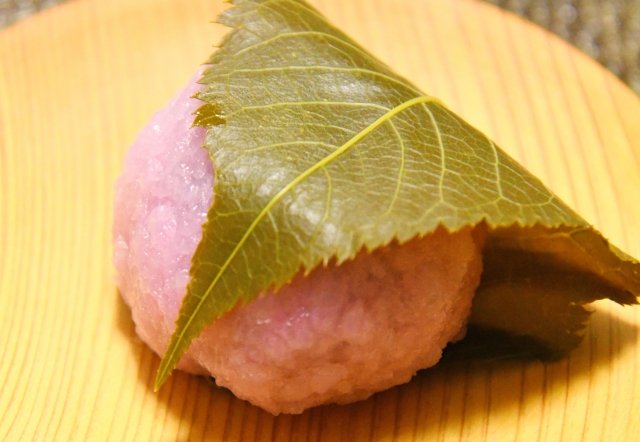
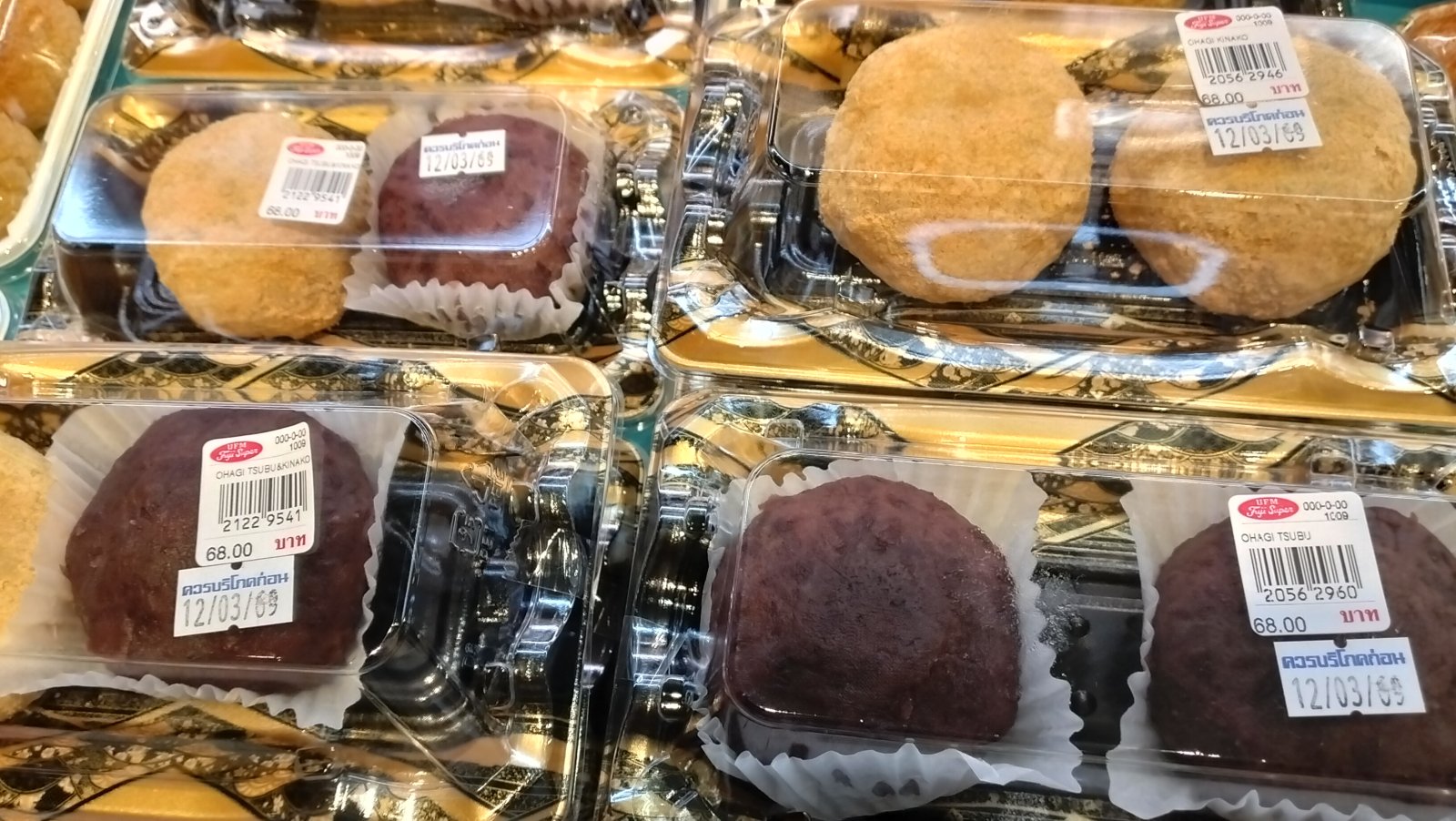
Made with coarse, dried, pink-colored rice flour (domyoji-ko), this version is wrapped in salted cherry leaves and filled with either chunky or smooth red bean paste. It retains the chewy texture of Japanese rice and the distinctive flavor of the bean filling, which varies from shop to shop.
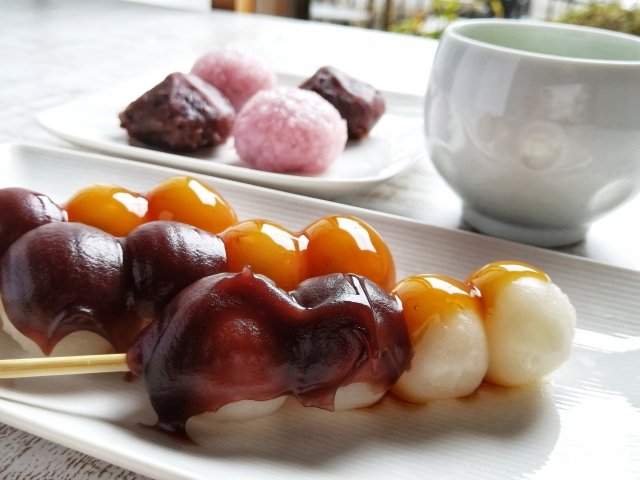
Dango are bite-sized round dumplings skewered on sticks, inseparable from the cherry blossom season. There is even a saying, hana yori dango “choosing dango over flowers” which means preferring physical satisfaction over aesthetic beauty. Yet, dango itself has become part of the hanami tradition, with many varieties to enjoy.
Three-colored dango symbolizing spring: pink for cherry blossoms, white for snow, and green for fresh leaves.
White dango grilled over charcoal, coated with a sweet-salty soy sauce glaze. Simple, fragrant, and not overly sweet. Sometimes sprinkled with roasted soybean flour (kinako) for a nutty sweetness.
White dango topped with smooth red bean paste, a classic recipe guaranteed to be delicious.
Dango can also be decorated more elaborately, using colorful creams made from red bean paste, sweet potatoes, purple yams, or mashed edamame (zunda), paired with bright fruits for a refreshing sweet-sour accent.
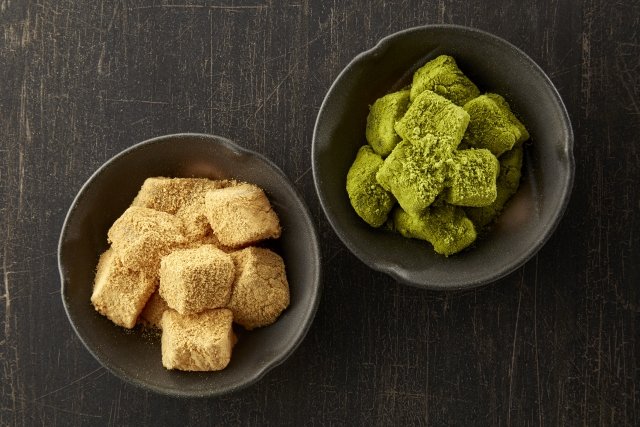
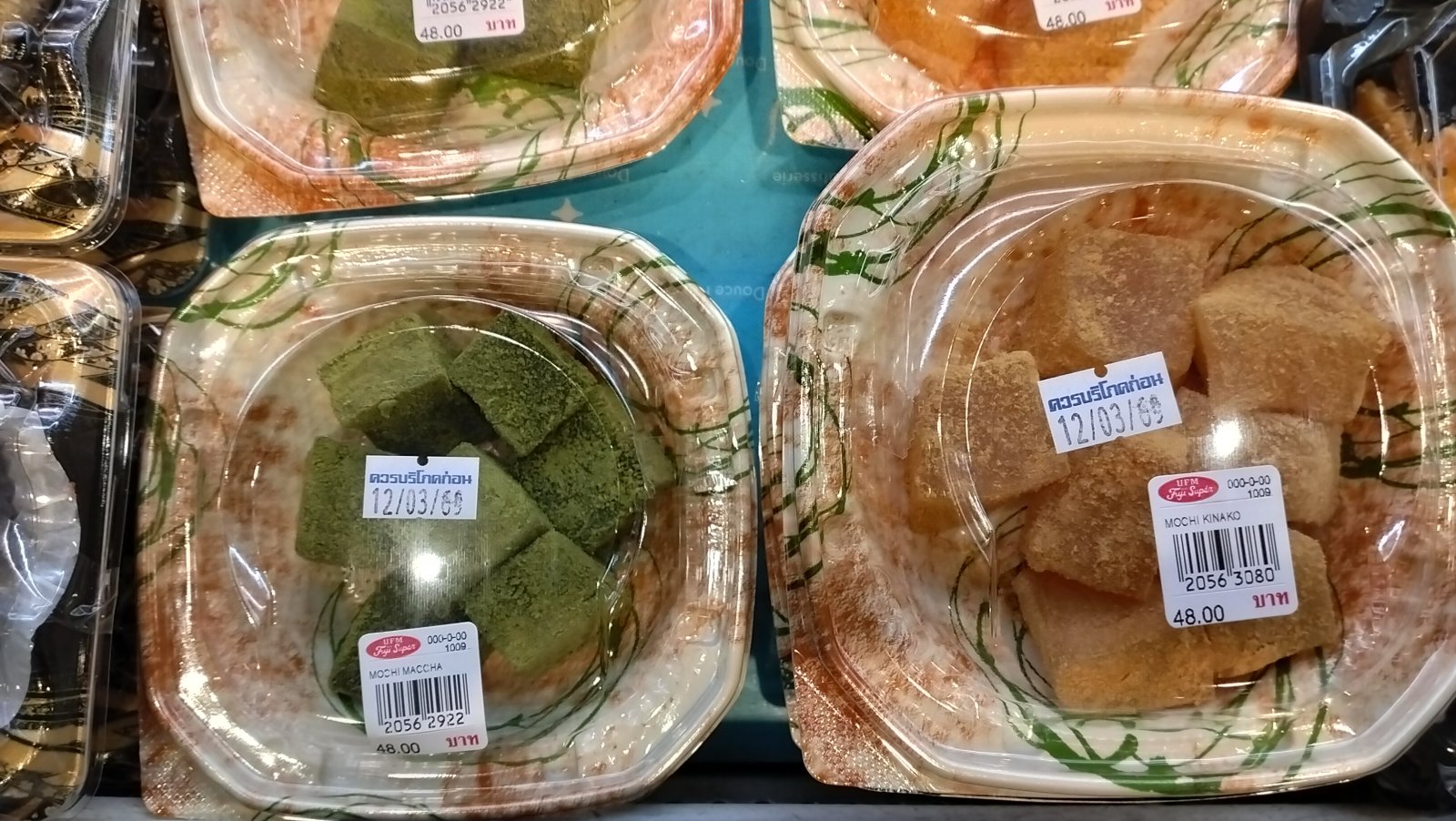
Warabi Mochi is made from bracken starch (warabi-ko), giving it a translucent, springy texture. Today, tapioca starch is often used instead, as it is more affordable. Warabi Mochi is a popular summer treat, enjoyed chilled with kinako or drizzled with dark sugar syrup (kuromitsu).
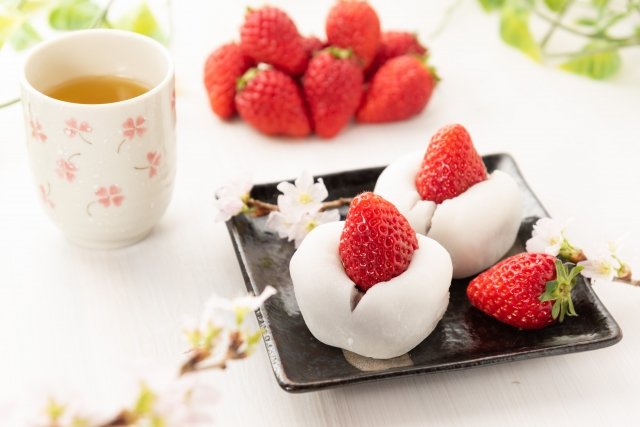
Daifuku is one of the most familiar wagashi, soft mochi filled with sweet paste, beloved for its simplicity and availability. Typically, it is white mochi filled with red bean paste, but there are many variations.
In spring, when fresh strawberries are in season, Strawberry Daifuku captures the flavor of blooming flowers and freshness. The tartness of strawberries pairs perfectly with the sweetness of red bean paste, making it a long-time favorite.
Soft mochi filled with cold ice cream in various flavors. A delightful dessert after meals and a favorite among children. Its round shape resembles a tiny snowman, and its gentle sweetness melts in the mouth, harmonizing beautifully with the thin mochi layer.
This fragrant green mochi is made with yomogi (Japanese mugwort), a herb believed to aid digestion and refresh the body. The leaves are boiled and finely ground, then mixed into the mochi dough, giving it a vivid green color, a distinctive aroma, and a slight bitterness that pairs wonderfully with red bean paste inside.
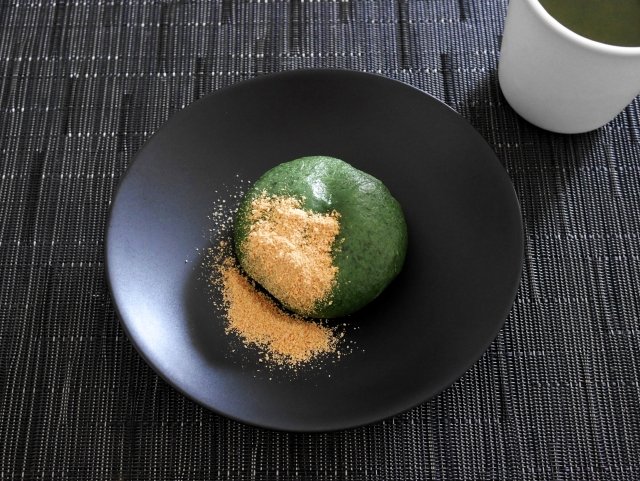
The sweetness of red bean paste,
the chewy texture of mochi rice,
the gentle fragrance of natural ingredients,
and the richness of dark syrup
all these are the charms of wagashi, perfectly matched with green tea.
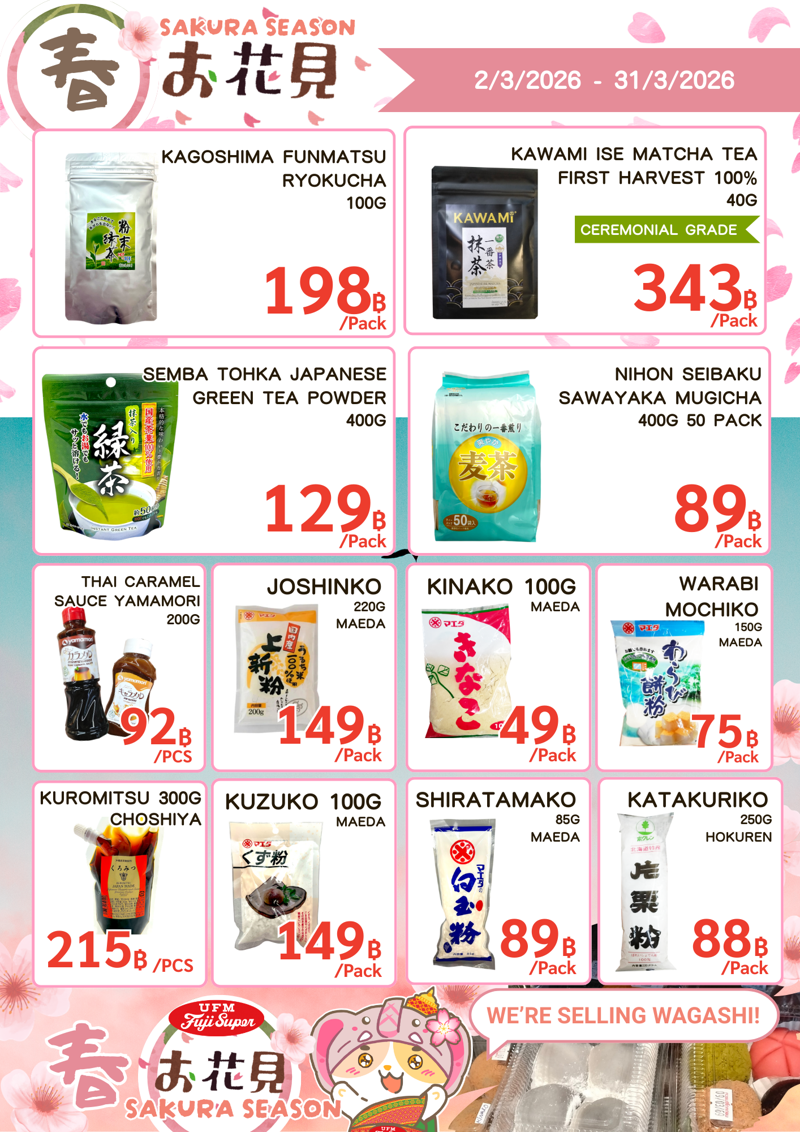
From March to April this year, UFM FUJI SUPER invites you to experience authentic wagashi ready to enjoy.
We also offer bottled green tea and a wide selection of Japanese teas that pair beautifully with wagashi.
Additionally, you can find Japanese ingredients such as kinako, shiratamako flour, kuromitsu syrup, and many other authentic seasonings imported from Japan.
Open daily: 9:00 AM – 10:00 PM
33 views