

Thai Smiles Japanese Styles

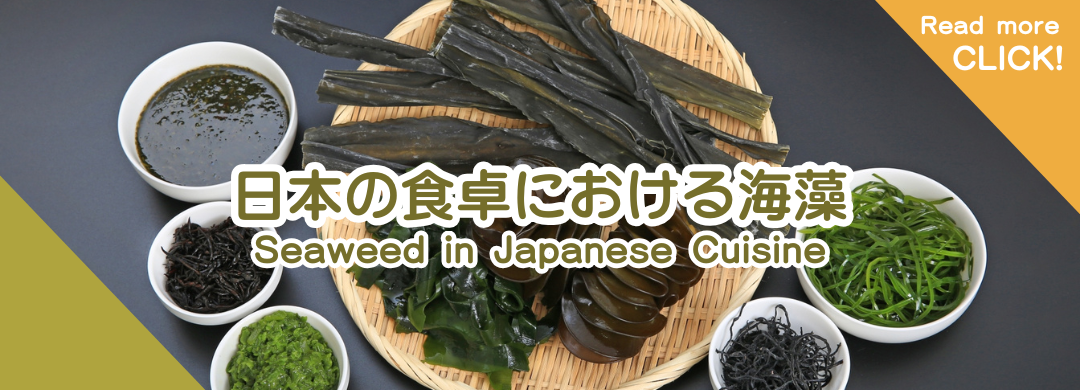
In Japanese meals, whether it is an elegant course served at a traditional ryokan or a simple dish eaten during a hurried lunch break,
seaweed often appears quietly as part of the meal.
Japanese seaweeds are not only rich in minerals and dietary fiber, but they also enhance flavor and provide the deep umami that forms the foundation of many dishes through dashi.
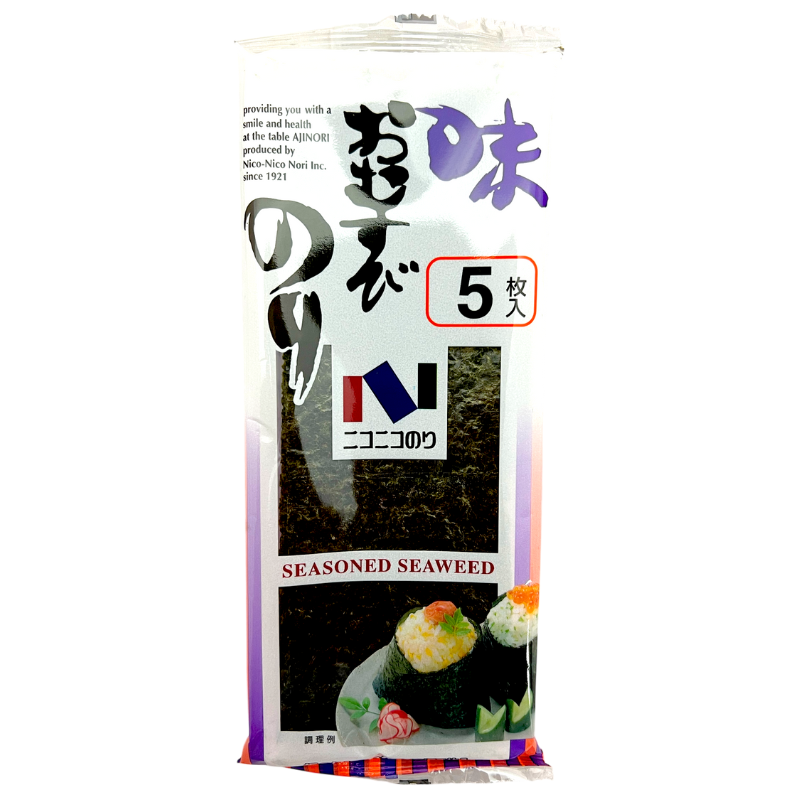
The thin black sheets of nori are perhaps the most familiar seaweed to many people.
They are often seen wrapped around triangular rice balls or sprinkled over various dishes to add aroma and flavor.
When lightly toasted over a flame, nori releases its moisture and develops a fragrant aroma and a crisp texture.
High-quality nori carries a rich umami taste and a pleasant fragrance. It differs clearly from cheaper varieties, which can be tough or stick to the roof of the mouth.
Good nori is not only delicious, it also makes maki sushi easier to cut neatly and helps the seaweed hold a beautiful shape around the rice.
Kombu is one of the most essential ingredients in Japanese cuisine.
Many people who enjoy Japanese food in restaurants may consume it without realizing it, because kombu forms the most important base for clear dashi broth.
Tororo kombu is made by softening kombu fibers through a light vinegar fermentation. The seaweed is then pressed into blocks and shaved into extremely thin sheets.
The texture is delicate and soft, almost like cotton candy.
Its flavor is deeply concentrated with the natural umami of kombu.
When placed into soup, it slowly dissolves and blends with the broth.
It can also be wrapped around rice balls instead of nori, creating a gentle texture and a rich flavor of the sea.
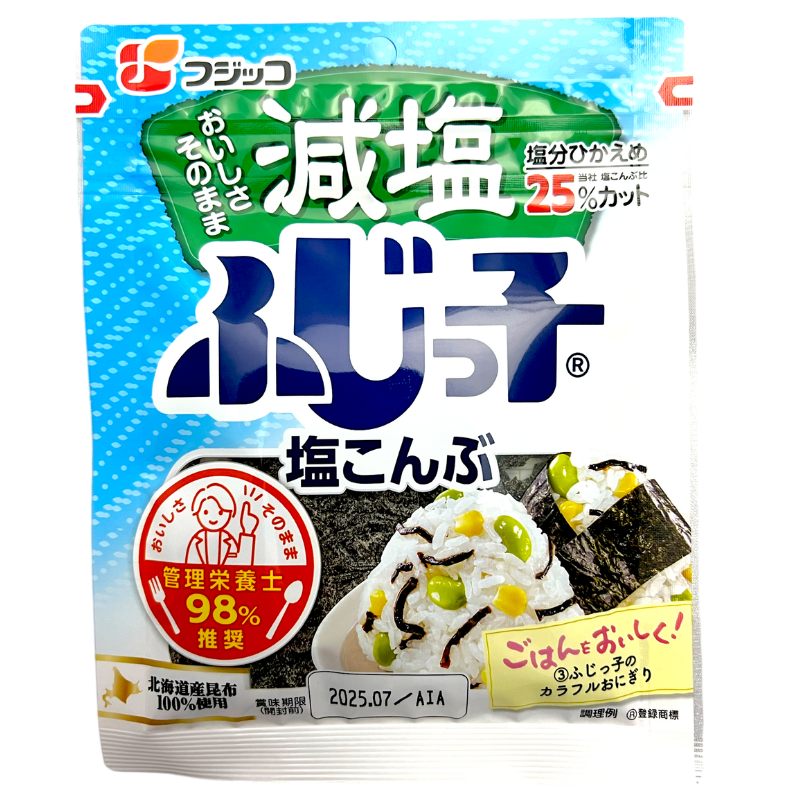
For rice balls, shio kombu is another topping filled with deep umami.
The savory richness of kombu combined with salt pairs beautifully with soft Japanese rice wrapped in nori.
The flavor is simple yet deeply satisfying, a truly Japanese expression of appreciating the natural taste of ingredients.
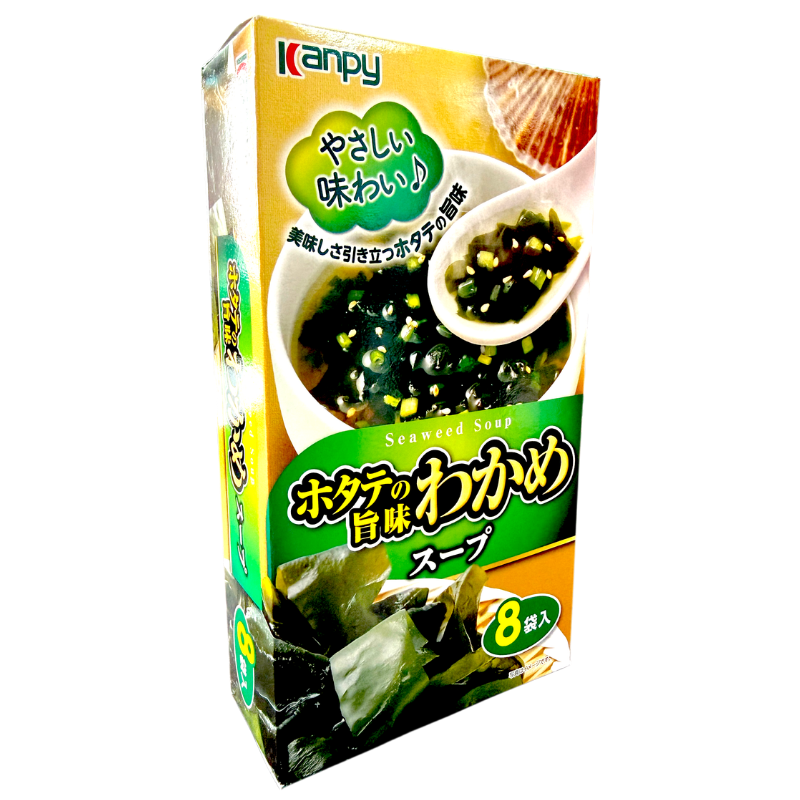
Wakame is commonly seen in miso soup and seaweed salads.
It is rich in vitamins A, C, E, and K, as well as iodine and omega-3 fatty acids.
It also contains many antioxidants, making it both nourishing and refreshing.
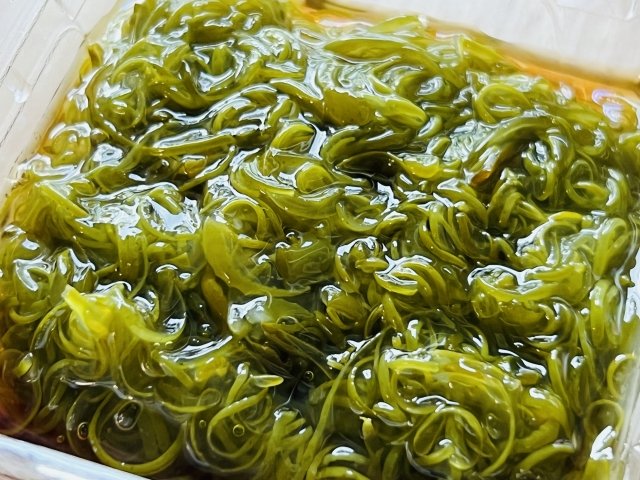
Mekabu is the root part of wakame.
Often seasoned with vinegar, it has a crunchy texture combined with a slippery, slightly sticky consistency reminiscent of natto.
Though not always widely available, it has a distinctive taste and is especially rich in dietary fiber.
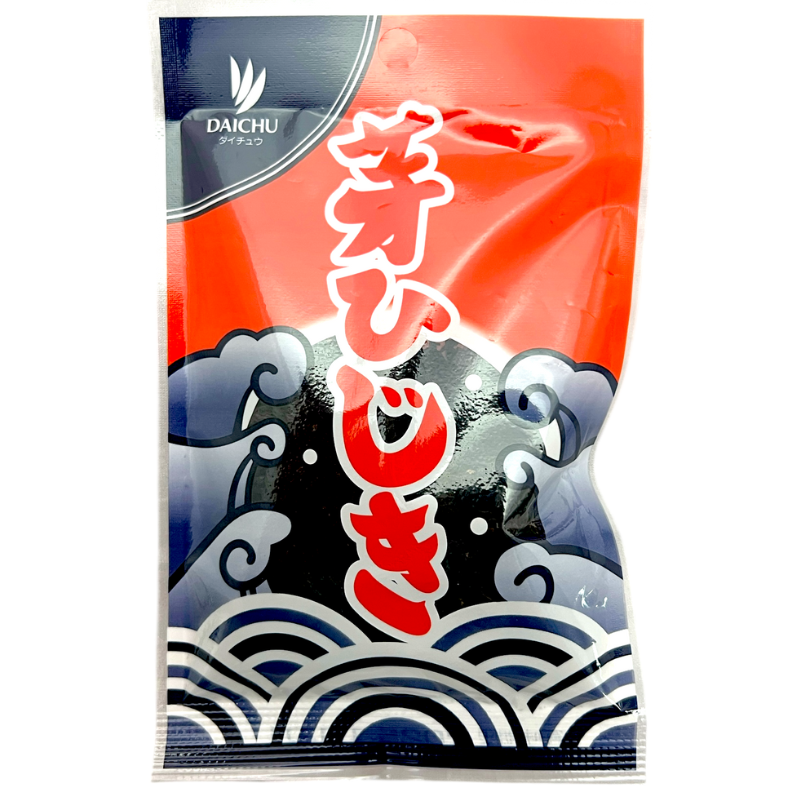
Hijiki is a short, black seaweed rich in iron, vitamins, and minerals.
It is commonly mixed with rice or simmered together with carrots, lotus root, and burdock root.
This humble dish adds color to bento boxes and gently restores energy to a tired body.
It is also traditionally enjoyed by women as a nourishing food that helps the body recover and rebalance.
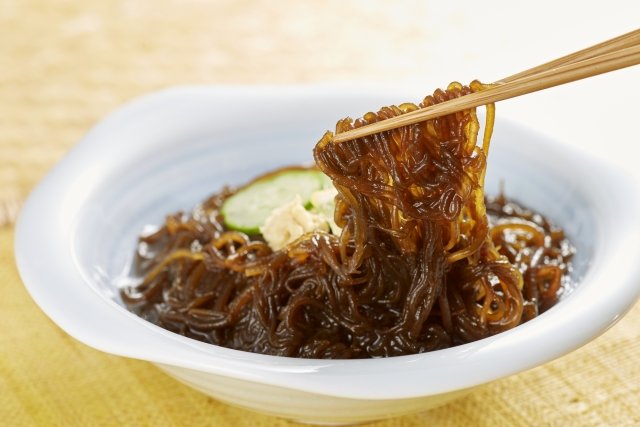
Mozuku carries the taste of the Okinawan sea.
It offers many health benefits, supporting weight control, strengthening the immune system, and providing vitamins, minerals, and antioxidants.
It can be eaten in many ways: as a small side dish, part of breakfast, added to soups, or even fried as tempura in the style of Okinawan home cooking.
Mozuku marinated in sweet vinegar is one of the easiest ways to enjoy this seaweed.
Its light sourness and slightly slippery texture stimulate the appetite, especially during hot weather.
At the same time, it remains a dish rich in nutritional value.
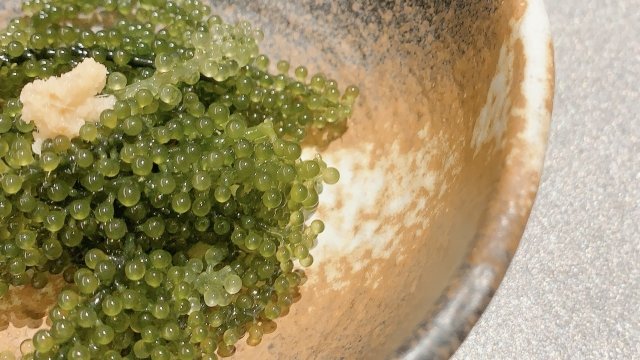
Tiny beads that pop gently in the mouth, releasing a delicate salty flavor,
this is the quiet wonder of sea grapes.
It is hard to believe that these grape-like clusters are actually seaweed.
A specialty of Okinawa, sea grapes have also become popular among people in Thailand.
They can be eaten chilled on their own, dipped in soy sauce and wasabi to enjoy the umami of the sea, or paired with seafood dipping sauce.
Each bite offers a crisp texture and a generous amount of fiber.
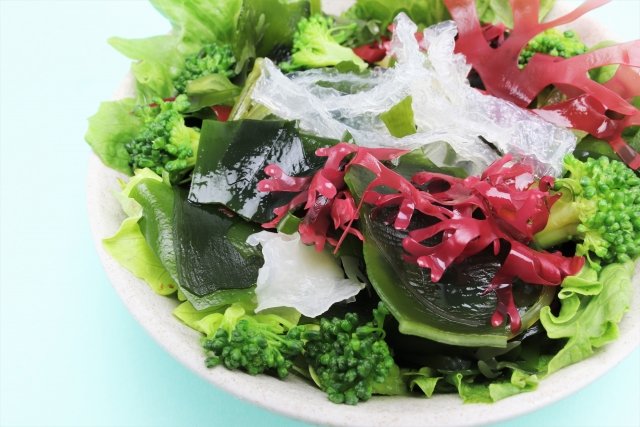
The three-colored seaweed often seen in restaurant seaweed salads is sometimes called tosaka seaweed.
It is also used in dishes such as kaisou salad or poke bowls from Hawaii.
Tosaka seaweed is a type of red seaweed with beautifully frilled edges and bright colors that resemble flower petals beneath the sea.
It is rich in vitamins, minerals, and fiber, yet low in calories, making it a refreshing dish for replenishing minerals on hot days.
Kanten, or agar jelly made from seaweed, is an essential ingredient in many Japanese desserts.
It is produced by boiling red seaweed to extract a gelatinous substance, which is then cooled, solidified, and dried.
Kanten is sold in several forms, including bars, strands, and powder.
Its clear, refreshing texture often appears in desserts that evoke the cool feeling of summer.
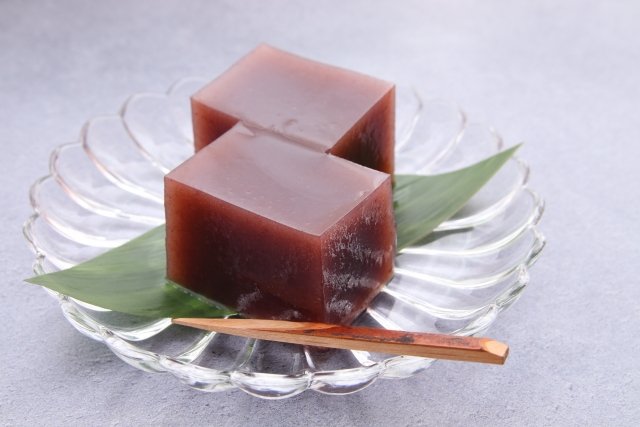
Yokan is a sweet red-bean jelly dessert with a smooth and gentle sweetness.
It can be enjoyed at room temperature or slightly chilled, making it a convenient sweet for many occasions.
Yokan was originally introduced to Japan from China and was spread by Buddhist monks during the Kamakura period.
Because monks followed vegetarian diets, beans and kanten were used instead of meat and gelatin.
During the Edo period, sugar was added and sweet red bean paste became the main ingredient, forming the dessert we know today.
There are several varieties of yokan:
Neri Yokan
The classic and most traditional form.
It has a dense texture and a firm body, with a rich sweetness.
Its slightly dry yet chewy consistency makes it enjoyable to savor slowly, allowing the flavor of red beans to unfold with each bite.
Mizu Yokan
A softer version with a higher water content.
Its texture is smooth and delicate, almost melting in the mouth.
Served chilled, it becomes a refreshing dessert perfect for the summer heat.
Shio Yokan
A variation seasoned with a touch of salt.
The gentle saltiness balances the sweetness, creating a mellow flavor that pairs beautifully with many beverages.
Yokan varies by region and season, and its long shelf life makes it a popular sweet for tea ceremonies and traditional Japanese gift sets.
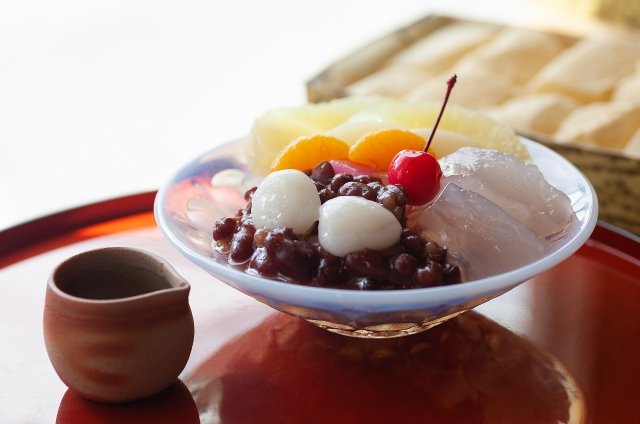
Anmitsu is a traditional Japanese dessert that originated during the Meiji era.
Its refreshing nature makes it particularly enjoyable in warm climates such as Thailand.
Anmitsu brings together a variety of ingredients in one bowl.
Kanten Jelly
Clear cubes of agar with a lightly firm texture and a subtle sweetness.
These cubes form the heart of the dessert.
Anko (Sweet Red Bean Paste)
Japanese sweet beans are often prepared with refined sugars such as wasanbon, giving them a delicate sweetness and a smooth, melting texture.
Fruit
Peaches, oranges, pineapples, and cherries add vibrant color and a bright sweet-tart flavor.
In Thailand, seasonal fruits such as mango, rambutan, pineapple, longan, or banana can also create wonderful variations.
Shiratama Dumplings
Small mochi dumplings made from glutinous rice flour.
They are soft and chewy, with a slight indentation that gently holds the syrup, allowing them to absorb surrounding flavors.
Sweet Beans
Simmered red beans, black beans, or sometimes green peas add a comforting sweetness and a satisfying bite.
Kuromitsu
A rich syrup made from dark sugar, with a deep caramel-like aroma.
Ice Cream or Whipped Cream
Modern versions sometimes include ice cream or soft-serve, adding creamy sweetness that balances the fruit and red beans.
Anmitsu is a dessert that has evolved over time, combining traditional Japanese ingredients with flavors introduced from abroad.
Yet it continues to bring delight and smiles to those who enjoy it.
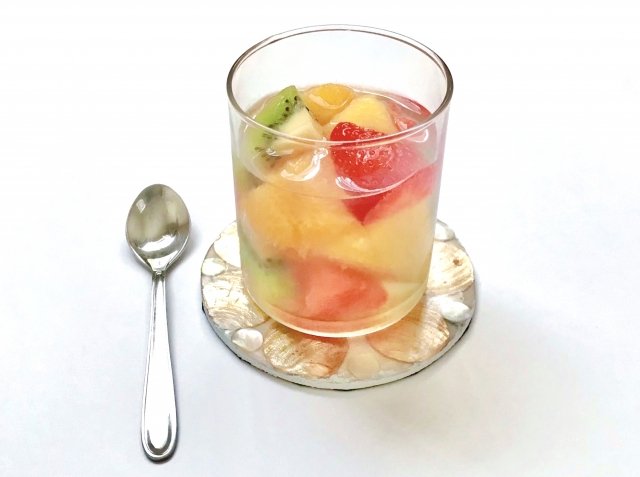
Kanten is not only a traditional ingredient in Japanese sweets, but also something families can easily prepare together.
Fruit jelly made with kanten is bright and colorful, filled with small pieces of fruit that shine like gemstones.
When light passes through the jelly, it glimmers like sunlight dancing on the surface of summer water.
Kanten is easier to use than gelatin.
It dissolves quickly in boiling water, simply soak it briefly, simmer for two or three minutes until dissolved, add sugar, and adjust the water ratio to taste.
Because kanten sets firmly even at room temperature, the jelly will not melt easily while being enjoyed.
It is also suitable for those who avoid animal products.
For families looking for a simple dessert that can become a small shared activity in the kitchen, fruit kanten jelly is a delightful choice.
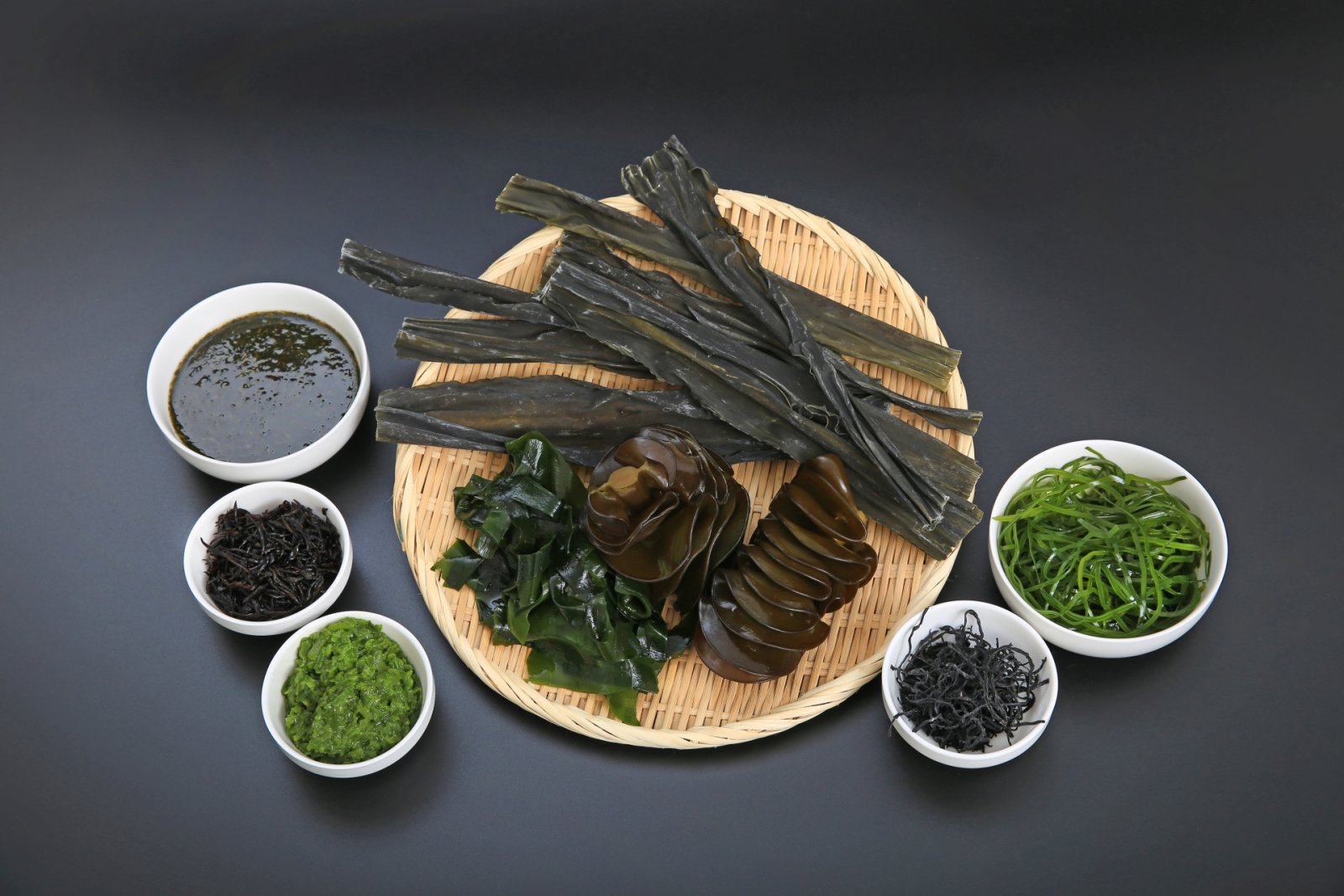
Looking across these dishes, we can see how deeply Japanese cuisine is connected to the sea.
From a simple bowl of miso soup in the morning,
to rice balls eaten during busy moments,
to nourishing dishes when the body needs minerals,
to light snacks shared among friends,
and desserts that have traveled across generations.
In Japanese daily life, seaweed is more than just a healthy ingredient.
It is food that quietly tells the story of people's lives,
a story that stretches back through many centuries.
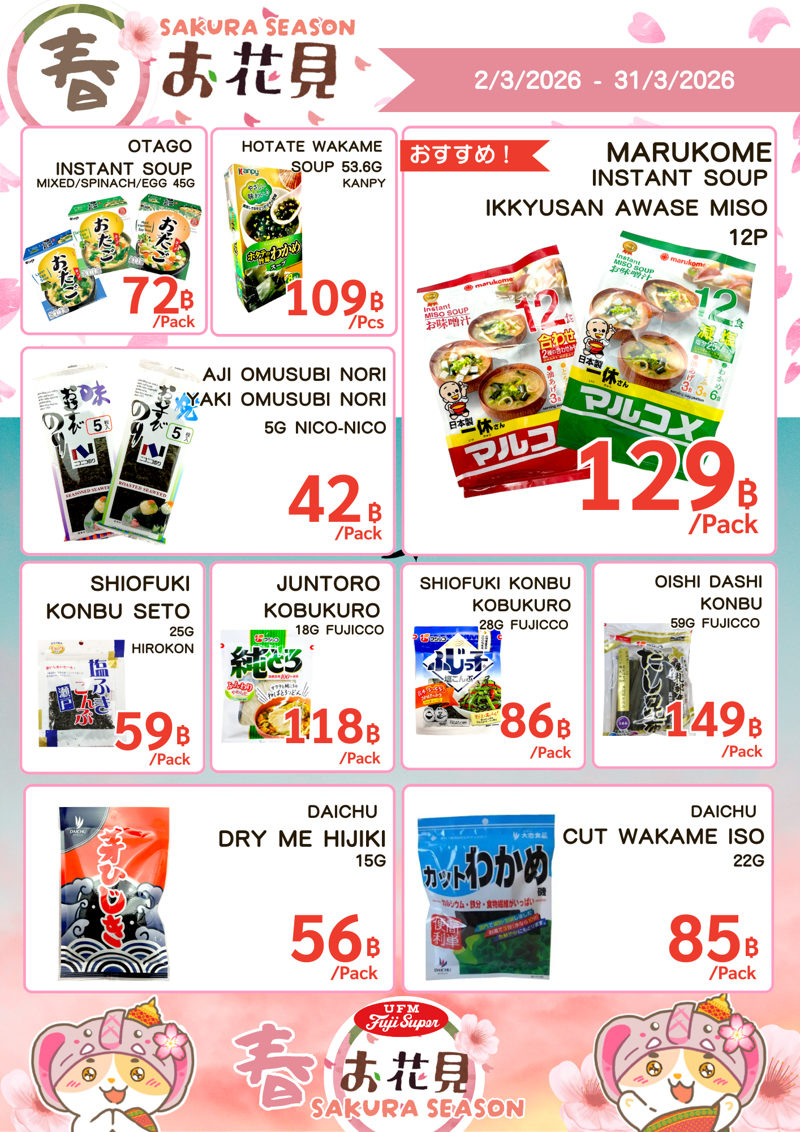
If you are looking to experience the gentle simplicity of Japanese cuisine, you can find authentic ingredients at UFM FUJI SUPER.
The store offers a wide selection of Japanese food ingredients.
From nori, wakame, and kombu to materials for traditional sweets, as well as ready-to-eat Japanese dishes.
All products are carefully managed with Japanese quality standards, allowing customers to experience the genuine taste of Japan.
Open daily: 9:00 AM – 10:00 PM
46 views