

Thai Smiles Japanese Styles

Seasonal Delicacies – August
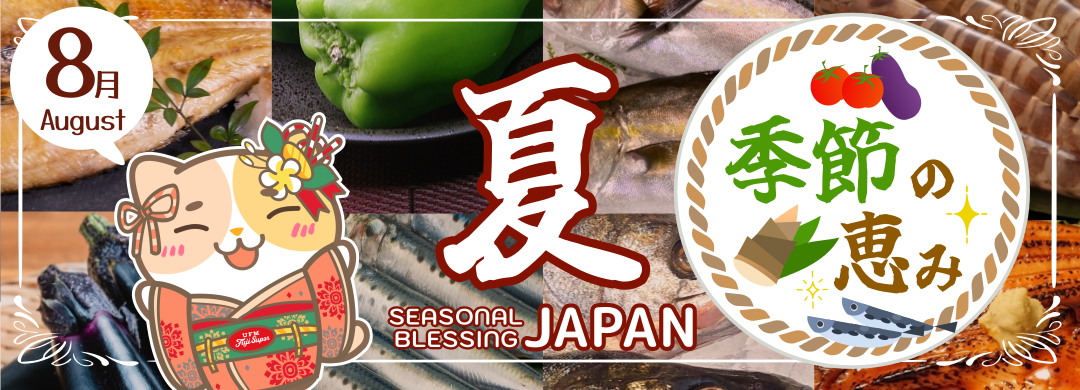
Join us in savoring the taste of Japanese summer with these seasonal ingredients.
August in Japan is the time of vibrant summer festivals and the Obon holiday, when people return to their hometowns to visit family, pay respects to ancestors, and reconnect with loved ones. It’s also a transitional period when living creatures begin preparing for the cooler months ahead. Fruits and vegetables start storing sugars, and fish begin accumulating fat in preparation for winter. The late summer sun allows plants to absorb vital nutrients, making this a rich season for harvesting ingredients full of flavor and nourishment.
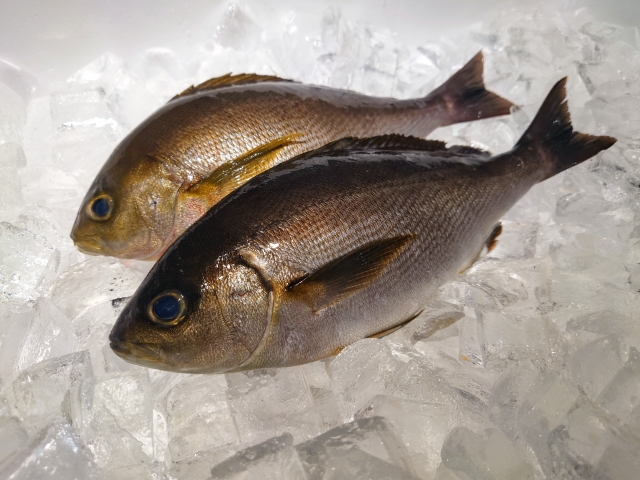
Isaki (Grunt fish)
Isaki, a delicious white-fleshed fish, enters its spawning season in summer, during which it stores rich fat to prepare for reproduction. When lightly seared (aburi style), the aromatic flavor of its skin and the subtle sweetness of its meat complement each other beautifully.
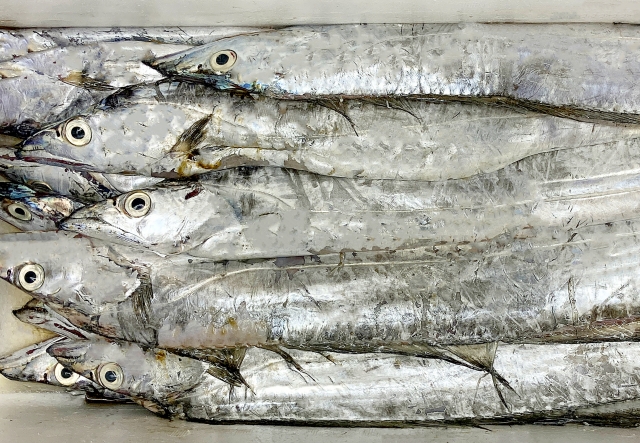
Tachiuo (Beltfish)
Known as “silver swordfish” in Japan, tachiuo is enjoyed in both Japanese and Thai cuisines. With tender, delicate meat and a thin, crispy skin, it’s perfect for grilling, deep-frying, steaming with soy sauce, or even serving raw as sashimi. It’s a versatile fish that brings elegance to any summer dish.
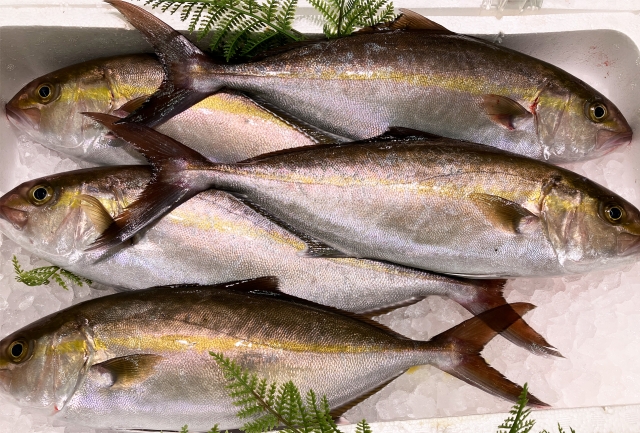
Kanpachi (Amberjack)
August is the season for kanpachi, the younger stage of the buri (yellowtail) fish. Its flesh is soft, tender, and sweet, with a refined flavor. In August, kanpachi contains more intramuscular fat, making it perfect for sushi and sashimi as a seasonal delicacy.
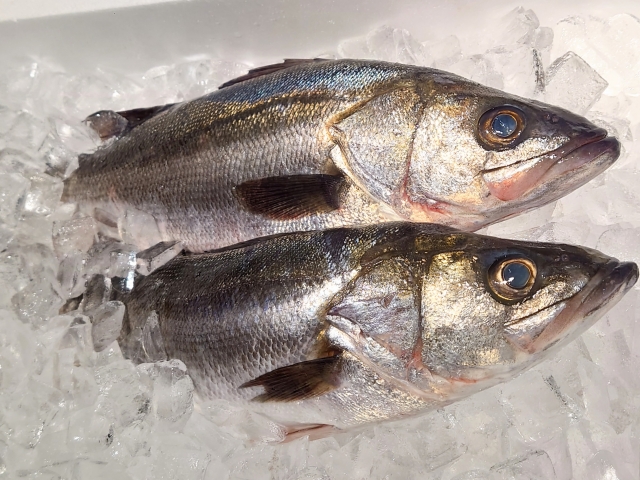
Suzuki (Japanese Sea Bass)
Suzuki is often grilled but also prized as sashimi. It shouldn't be confused with the Thai seabass, which is cheaper and less delicate in flavor. Japanese suzuki has a clean taste and firm texture, making it a favored ingredient in refined dishes.
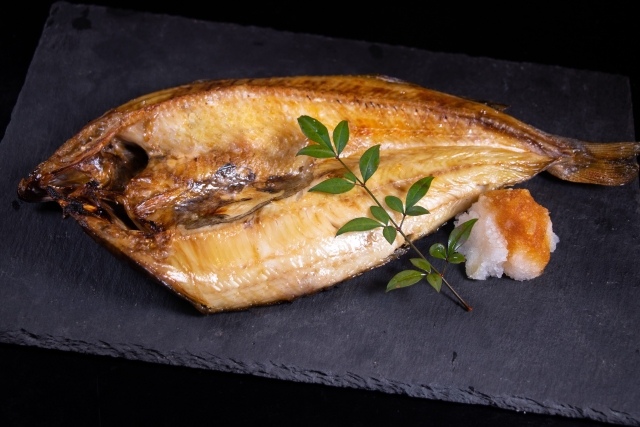
Hokke (Atka Mackerel)
Large and meaty, hokke has a distinct taste and is often sold grilled. Native to cold deep-sea waters, it’s unfamiliar to Thai palates. During this season, fishermen catch more hokke as they come closer to shore in search of food.
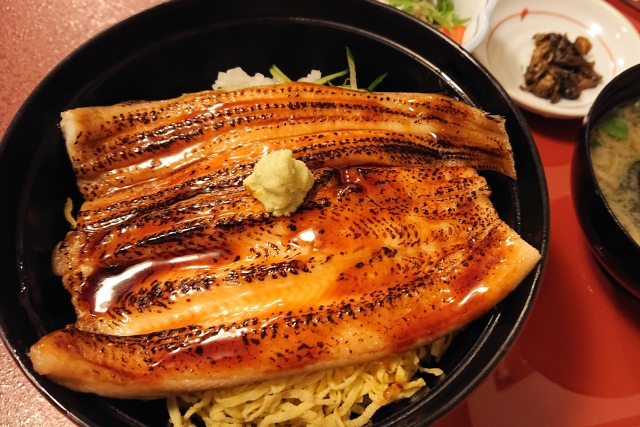
Unagi (Freshwater Eel) / Anago (Sea Eel)
To build stamina during summer, Japanese people traditionally eat eel, which is rich in nutrients and easy to digest. Whether glazed with kabayaki sauce or simply grilled with salt, eel has a sweet, tender texture that makes it a beloved summertime favorite.
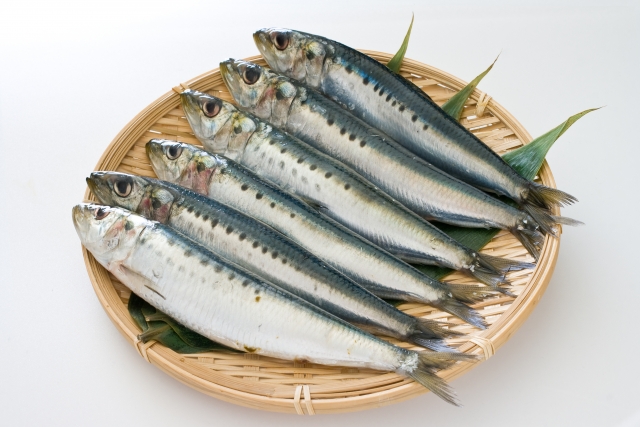
Iwashi (Sardines)
Once considered a "poor man's fish" due to its affordability, iwashi is now recognized for its rich nutritional value and versatility—great grilled, fried, or pickled. High in omega-3 fatty acids, iwashi becomes fattier and sweeter toward the end of summer, making it an ideal seasonal catch.
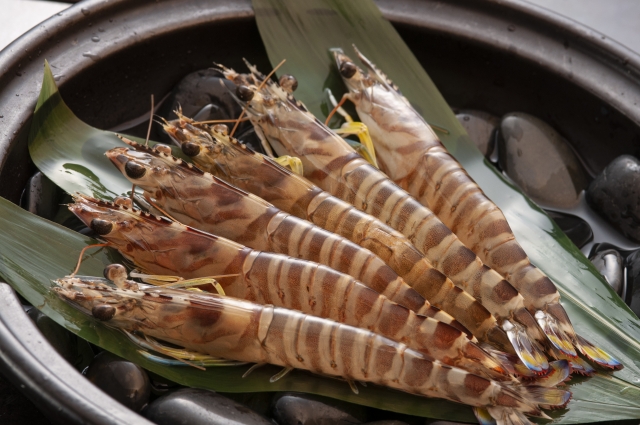
Kuruma Ebi (Sweet Shrimp)
August marks the end of the sweet shrimp season. As summer fades into autumn, these shrimp become plump, crisp, and full of flavor. If you find fresh sweet shrimp sushi, don’t miss the chance—it’s one of the best seasonal treats available.
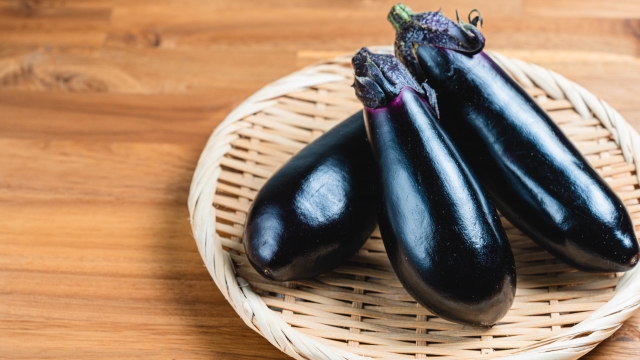
Nasu (Eggplant)
At summer’s end, eggplants absorb the full strength of the sun, turning deep purple and rich in anthocyanins—antioxidants beneficial to health. Whether stir-fried, grilled, or deep-fried as tempura, eggplant’s soft texture and subtle sweetness make it a must-eat summer vegetable.
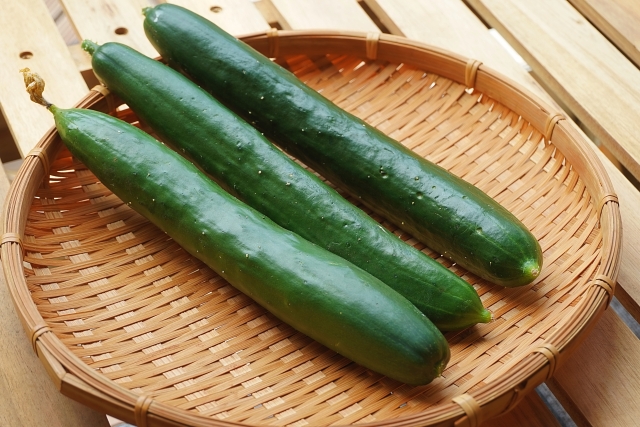
Cucumber
Japanese cucumbers thrive in warm weather and are a symbol of summer’s refreshing crispness. Their extra crunch—thanks to full exposure to the summer sun—makes them especially delightful this season. Whether in salads or pickles, cucumbers add a cooling touch to every meal.
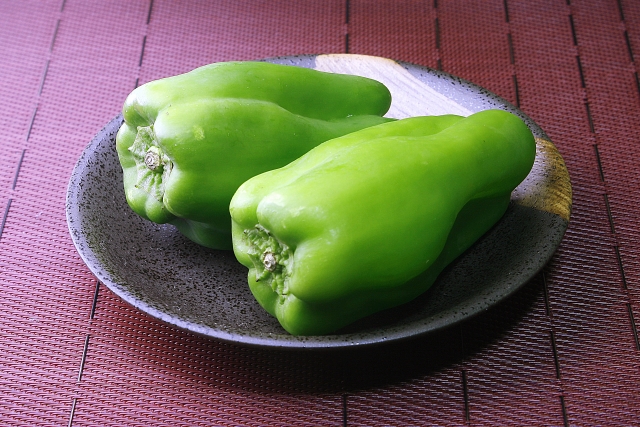
Bell Peppers
August is the final stretch for field-grown bell peppers. After this month, most available peppers will be greenhouse-grown or imported, with less sunlight exposure and potentially lower nutritional value. This is the best time to enjoy nutrient-rich, sun-ripened bell peppers and boost your family's health.
407 views