

Thai Smiles Japanese Styles
Seasonal Thai Foods: July
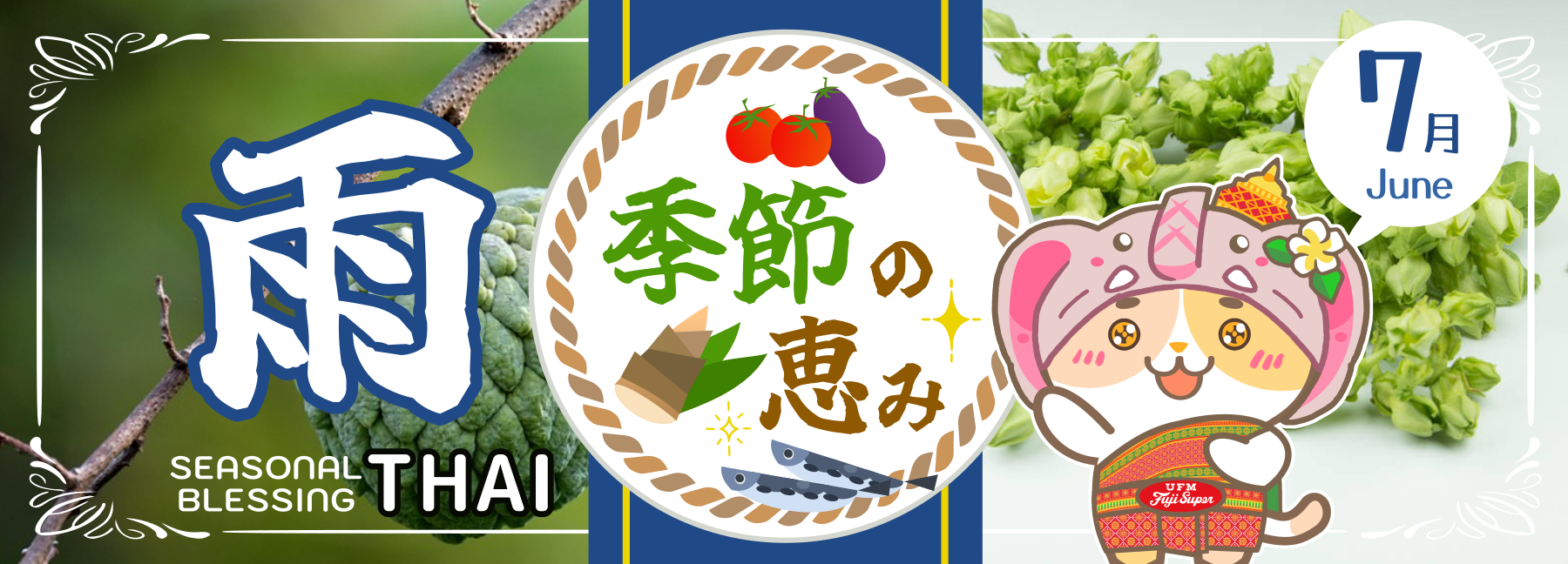
In Thailand, July marks the peak of the rainy season. It's important to stay healthy, be cautious when traveling due to flooding, and keep your body dry and warm. This is the perfect time for hot soups to enjoy on rainy days.
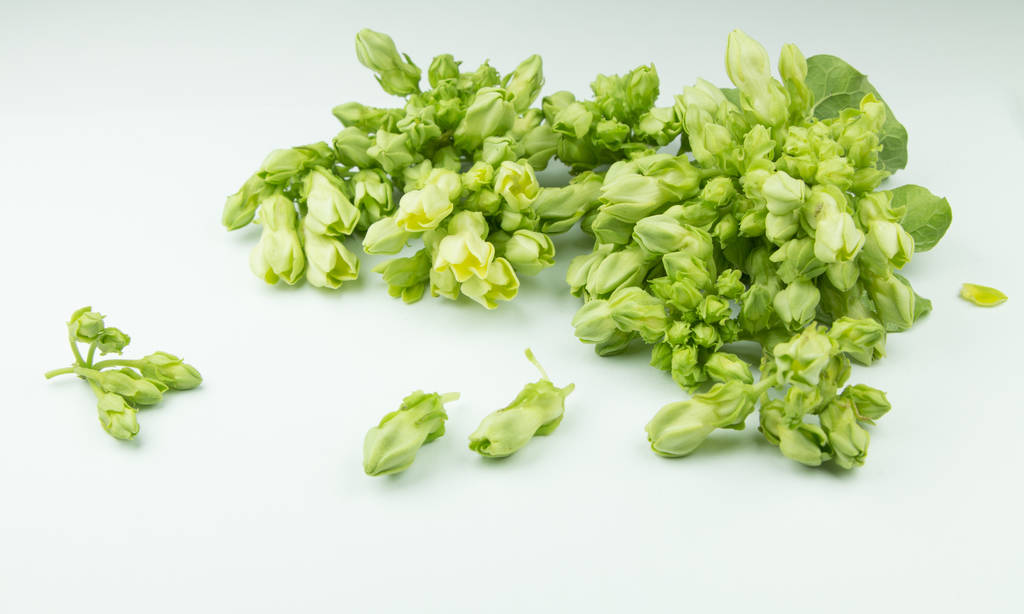
Dok Kajorn (Cowslip Creeper Flowers)
A seasonal favorite during the rainy season, these flowers have a mildly bitter and sweet taste with a pleasant aroma. They help relieve phlegm and support liver health, rich in vitamin C. They’re great in soups, stir-fried with oyster sauce, or made into omelets. If you see them in markets, give this rainy-season delicacy a try.
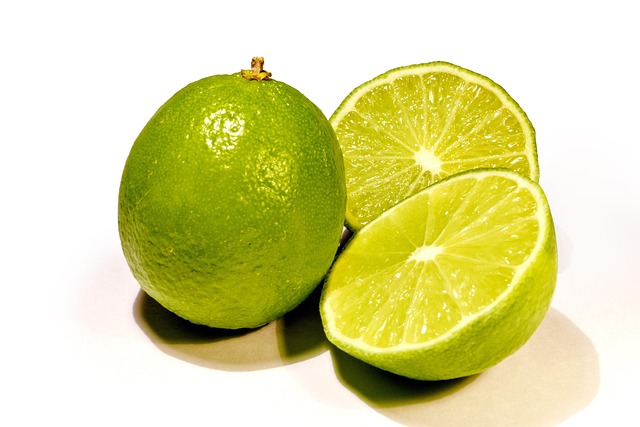
Lime
Limes are cheap and juicy during the rainy season. They're aromatic and full of vitamin C, ideal for spicy salads and lime juice. The dried peel can also be used to deodorize, repel insects in rice, or be made into citrus body scrub.
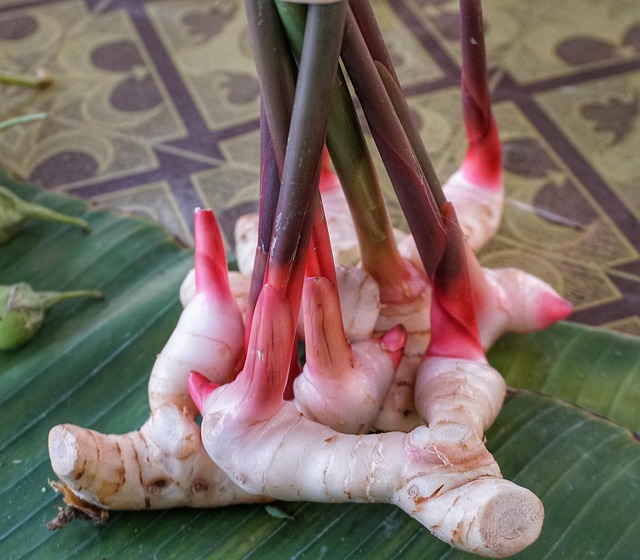
Young Galangal
A key ingredient in tom yum soup, but during this season, we highly recommend Tom Kha Gai (chicken coconut galangal soup). It's aromatic and creamy, combining chicken, mushrooms, and herbs. The flavor is mild and perfect for those who can’t handle spice — a truly Thai comfort food.
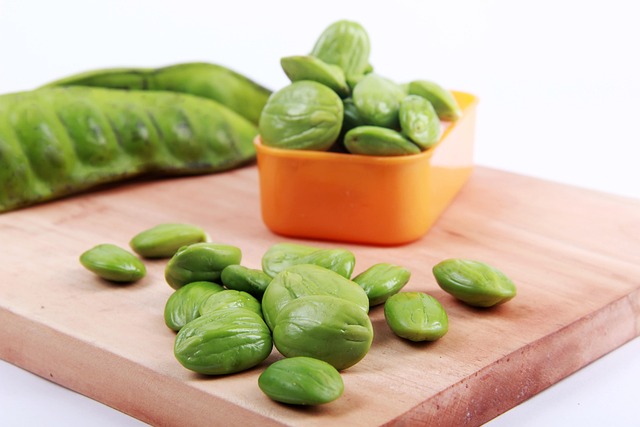
Sator (Stink Beans)
A pungent, nutty bean beloved by many Thais. If you visit southern Thailand, you must try stir-fried sator with shrimp — juicy shrimp with aromatic spices make this a “smelly but delicious” seasonal must-try dish.
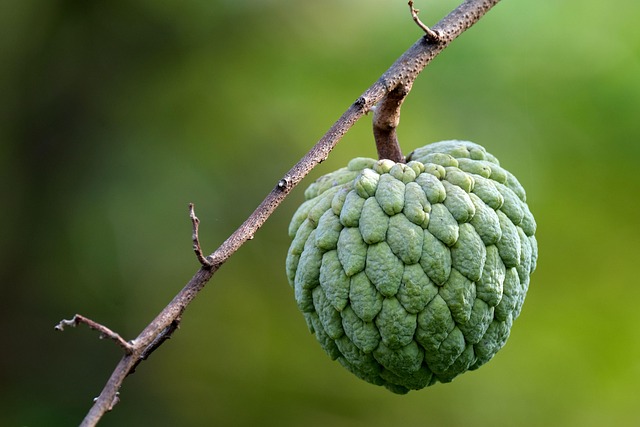
Custard Apple (Noi Na)
There are two main types: one with bumpy ridges and sweet fragrant flesh, and the other with a smooth peel and slightly tart taste. Ripe ones are yellowish-green with soft skin. If still firm, leave at room temperature for 2–3 days. Be cautious of the many seeds when eating.
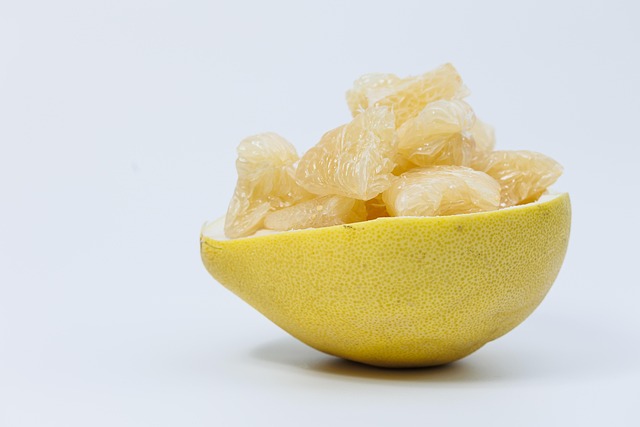
Pomelo
A rainy season citrus rich in vitamin C, resembling a giant orange with soft, thick skin. It has a sweet-tart taste and is easy to eat. Besides eating fresh, it’s used in Thai salads, jams, and juices. The bitter peel can also be candied.
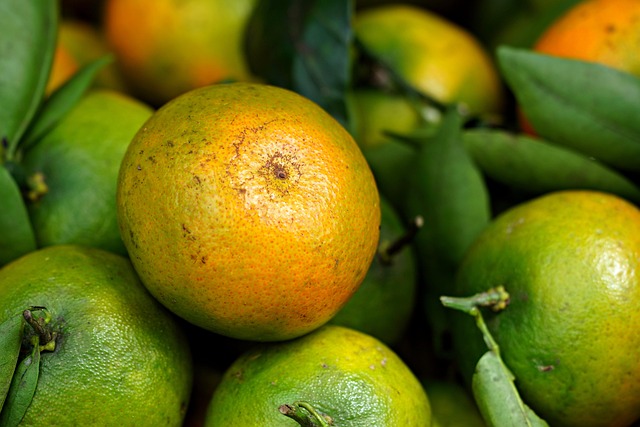
Orange
Oranges are important for immune support during the rainy season. Slightly sour and fragrant, they make refreshing juice and serve as a healthy, fiber-rich snack on rainy days. Stock up on fresh oranges and enjoy their bright flavor and aroma.
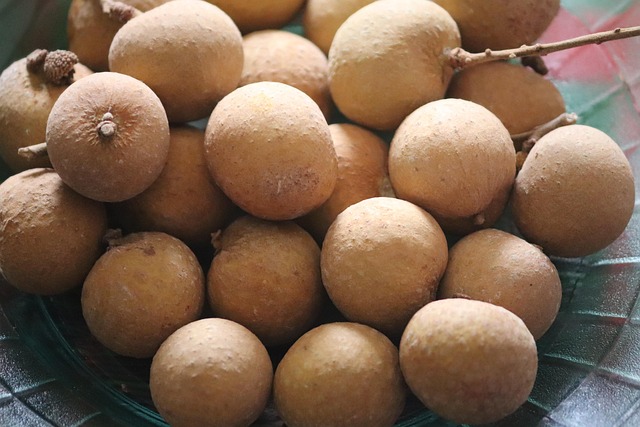
Longan
A very sweet and fragrant fruit with a firm texture. In Thailand, you’ll sometimes find iced longan juice served at noodle shops. Fresh longan and juice make a perfect rainy season treat. You can also remove the seeds, freeze them in vacuum bags, and enjoy them year-round.
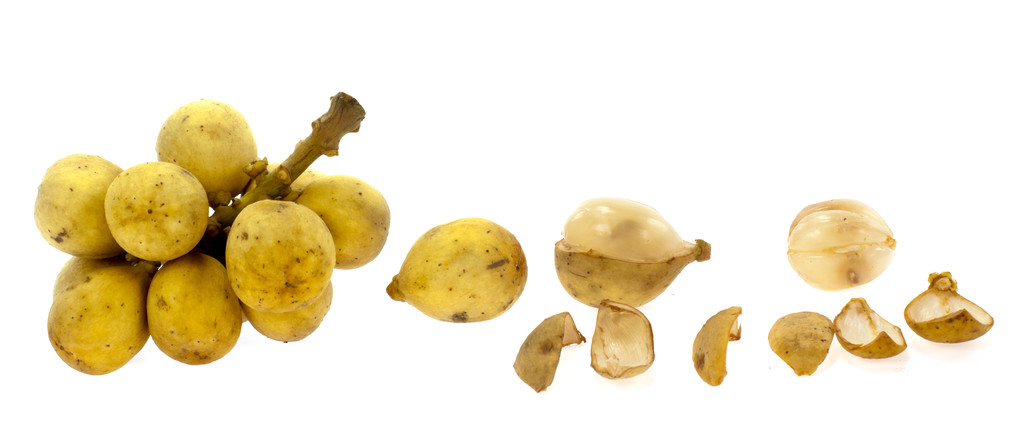
Langsat
A grape-like tropical fruit. Peel them to find translucent sweet flesh that refreshes the palate. Be careful, as the sap can stain your fingers — using a toothpick can help peel them cleanly.
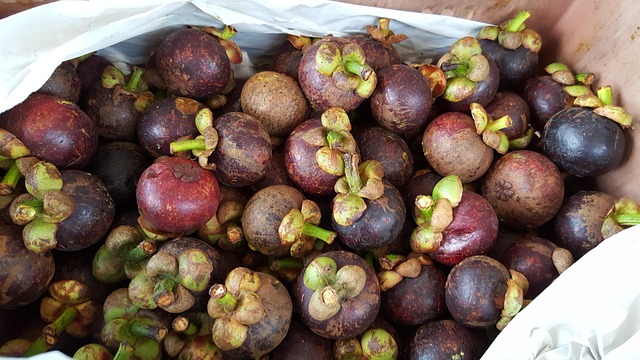
Mangosteen
Known as the “queen of fruits,” mangosteen from central Thailand ends in July while southern varieties come into season. Southern mangosteens, especially from Nakhon Si Thammarat, are tangy-sweet and prized for their “selected mangosteen (Mankud kat)” variety: young fruits with small or no seeds that are crispy and flavorful.
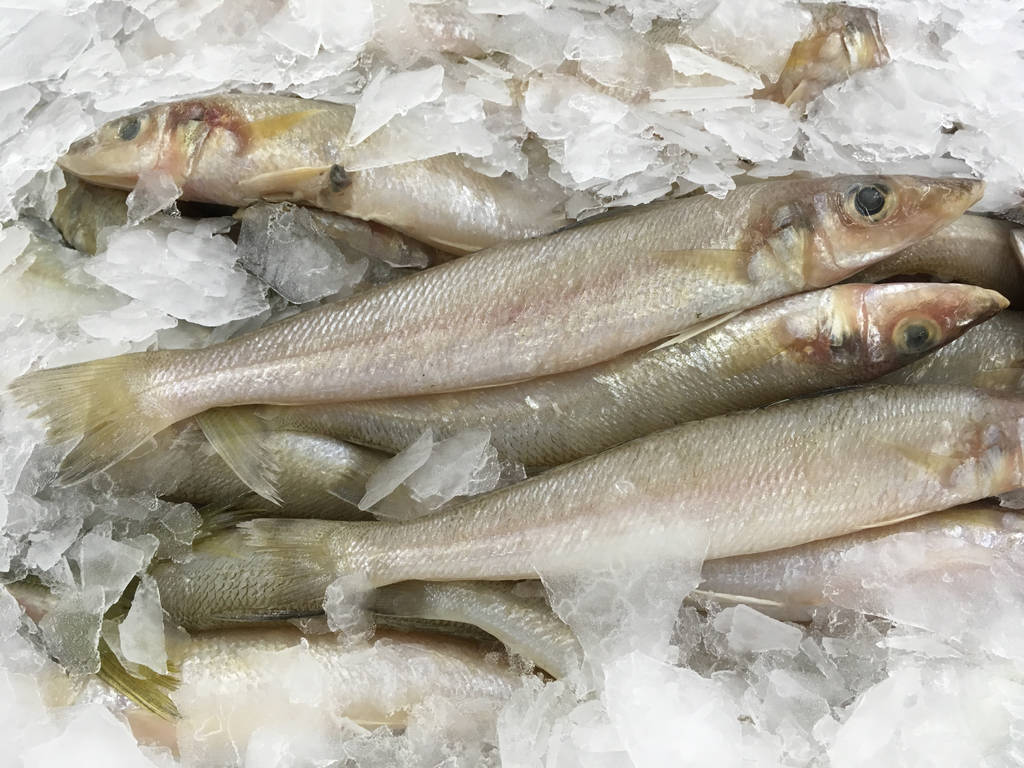
Sand Whiting (Pla Het Khon)
This fish resembles Japan’s kisu (Japanese whiting). It’s soft, tasty, and often enjoyed in Thailand deep-fried with garlic for a crispy, savory dish.
272 views